My Games of the Year for 2025
Something something industry bad, something something games good.
Now that we're done with the preamble, here are my five favorite games from 2025. Ground rules: Only games that actually came out this year; "I played it first in 2025" is for cowards. Nothing I or my close personal friends worked on. Initial releases only (so no DLC, expansions, live game updates, etc).
Two Point Museum
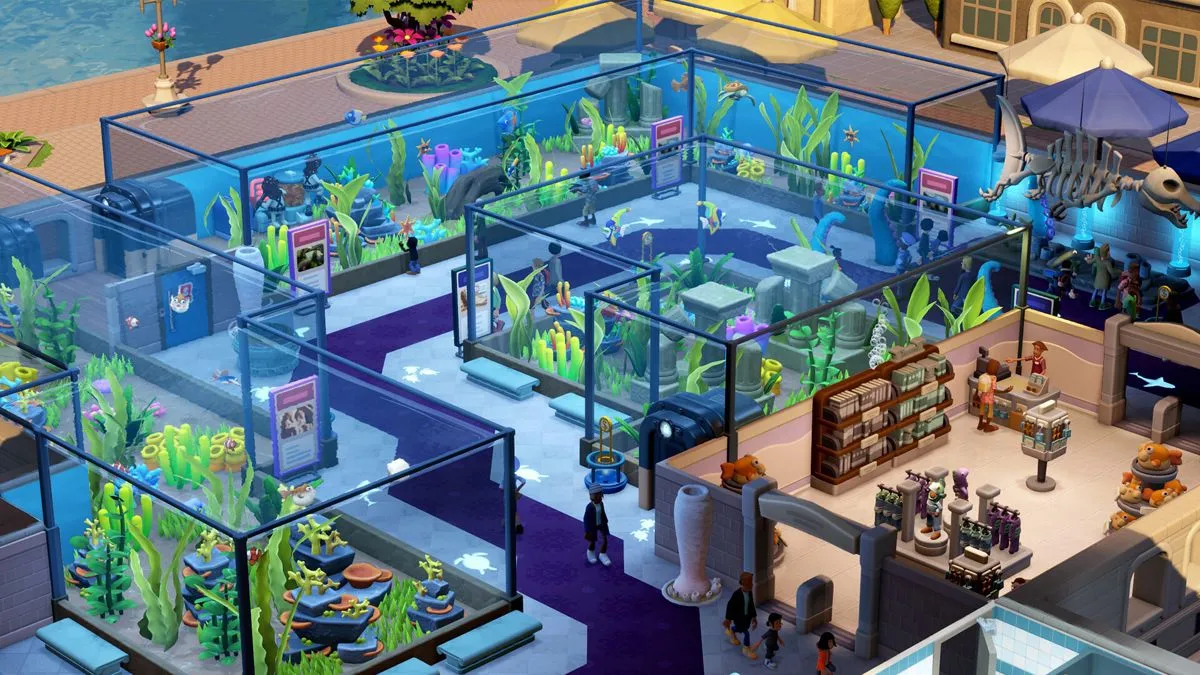
Two Point Studios was founded to chase the high of classic Bullfrog management sims like Theme Hospital and Dungeon Keeper, but for me this is their first game where they really hit on something as special as those old games. 2PM's loop of sending experts out on expeditions, seeing what they bring back, and figuring out how to display them is incredibly satisfying.
Building the game around a core of blind boxes with initially-unknown contents injects so much surprise and delight into the classic management-sim formula. The exhibits retrieved from far-off locales can have dramatic effects on museum guests or on each other, which in turn creates enjoyably intricate optimization puzzles and numerous secret strategies.
For example: If your museum is boring, the conventional way to fix that is to place "interactive displays" that delight children and adults alike. Or you can send a botanist out to a remote jungle to bring back a carnivorous plant that turns some of your guests into clowns, which then go on to amuse your other guests. This is the best management sim I've played in a long time.
The Roottrees are Dead
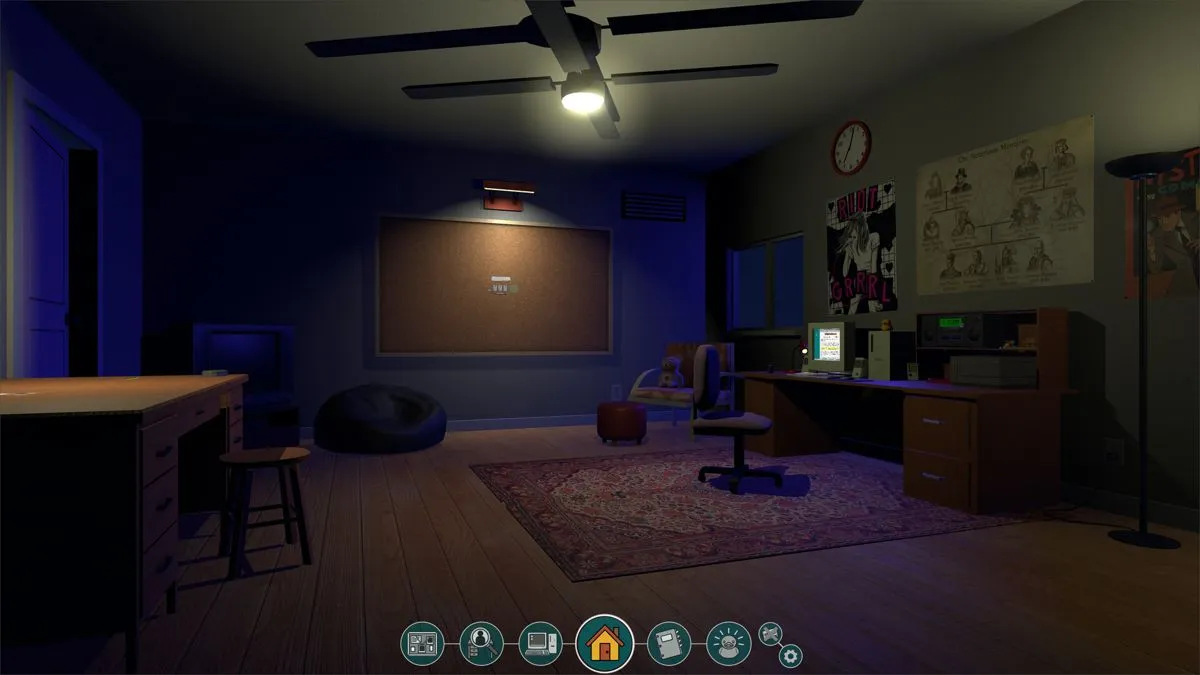
Roottrees rests on a single brilliant idea: Using the incremental deduction mechanic from Return of the Obra Dinn as the progression system for a Her Story-esque database thriller. But it's full of smart execution choices. To keep the player from being bottlenecked, the central mystery is a broad, open-ended thing; you're tasked with untangling a large family tree, identifying who exactly is blood related and how. To keep its rules of engagement clear, the game formats most of its textual research as paraphrase – explicitly saying "this doesn't seem relevant to your investigation" when necessary. The built-in note-taking system that makes it easy to excerpt text. The multiple distinct databases that make research more layered and thoughtful by asking the player where to look something up, not just what to look up.
Roottrees, then, allows the player to make lazy loops through its interconnected story world, following different threads of curiosity or suspicion to unravel the individual stories of each family member in turn. It's a revelatory game that I hope spawns a genre; I need a thousand of these, pronto.
Expelled!
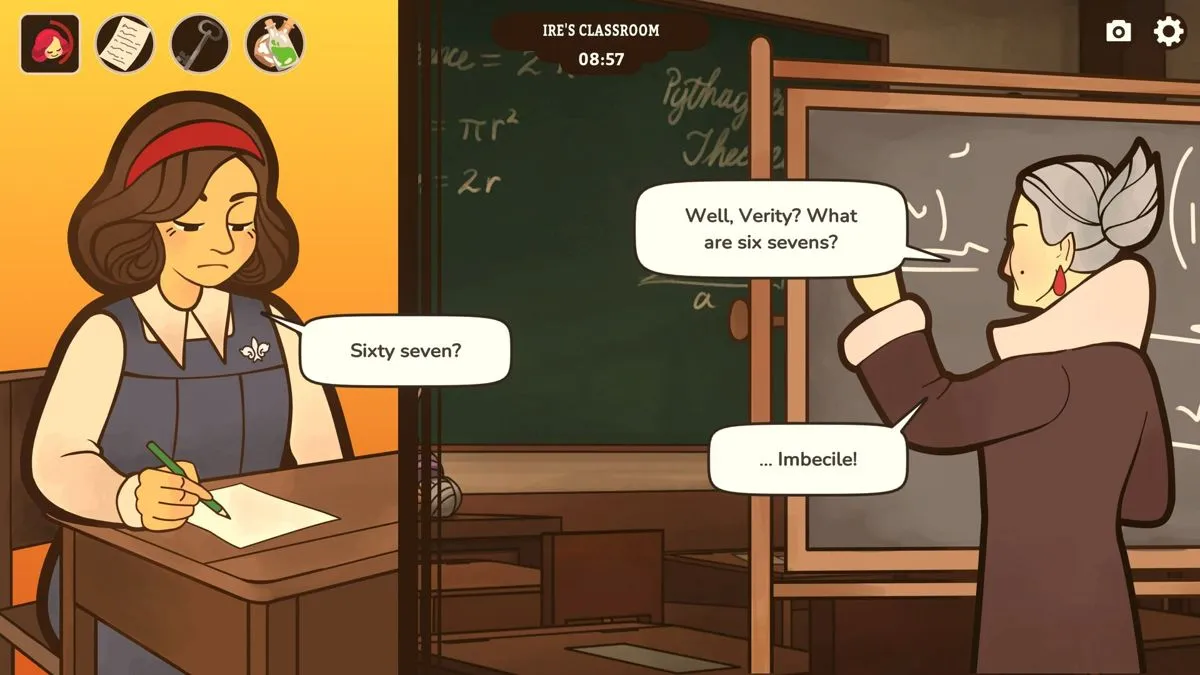
Real IF-heads know Jon Ingold's Make it Good, a fiendishly hard parser game that's fundamentally about manipulating what different NPCs know at different points in an intricate clockwork world. Solving the game requires exploring different possible paths and can only really be done across multiple attempts; it uses old-school adventure-game cruelty to a pointed end. You have to thoroughly understand what's going on in the story and orchestrate a set of manipulations that yields the desired result.
Overboard! and now Expelled! are very transparently takes on this idea that try to make it approachable to people who are not, well, hip to highly cruel parser interactive fiction. Using a time-loop setup and a lot of carefully designed affordances, these games make this kind of narrative exploration play feel legible and propulsive.
While I liked Overboard!, I loved Expelled!; somehow the British all-girls boarding school setting just seems like the ideal setup for a game where you're supposed to be horrible to everyone and everything as a means of advancing your own cause. There's enormous charm while retaining some bite; there's incredible characterization; there's an enjoyably intricate meta-puzzle.
Monster Hunter Wilds
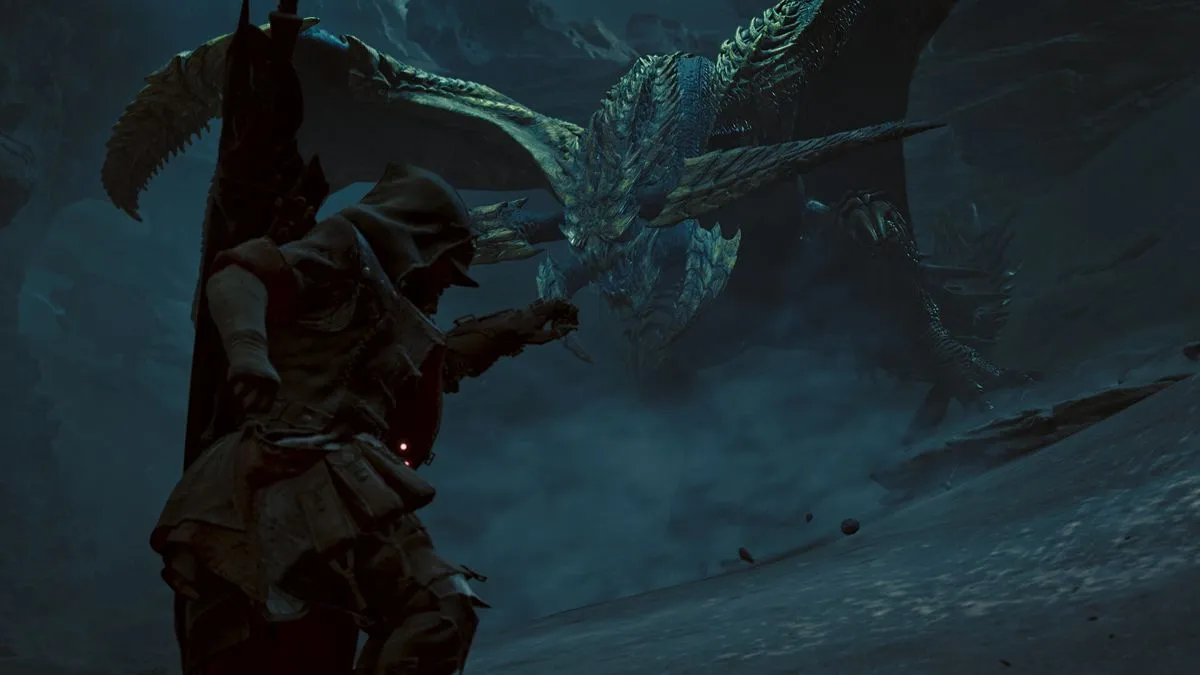
Yes, the game runs poorly. Yes, it's "too easy" by the standards of the franchise – though I'd argue that this is mostly an artifact of not having the very hardest monsters available on release. Yes, it streamlines away a lot of the friction the series is associated with.
Doesn't matter, Monster Hunter Wilds is still my favorite game in the series. It simply wins on spectacle, on its incredible sense of milieu, on its creature designs. Lala Barina, Rey Dau, and Zoh Shia have instantly jumped to high places on my personal list of the best monsters in the franchise. Even the Seikret seems to me more flavorful and beautifully specific than the off-brand chocobo it could easily have been.
Monster Hunter has always been set in a much more alien fantasy setting than it initially lets on, but this game really sells just how alien it is. The fulgurite hollow in the middle of the desert. The iron-tinged rainforest that changes its character entirely when the rains come. The caverns that spend half the time being on fire. The final areas of the game that feel more like something out of Blame! than high fantasy.
Ultimately I play these games for the kinetic joy of the combat and for intricate visual storytelling of the monster ecologies, and this game delivers that with joy, intensity, and confidence.
The Witch Girls
My favorite piece of interactive fiction of the year. I played this early on out of all 30-odd games I played in this year's Interactive Fiction Competition, and it simply stayed on top for the whole thing. Replays and further thought have only cemented it in my mind as a really great piece of writing and narrative design.
This is a short story about coming of age in a very specific place and time, written with an incredibly observant eye. But it's also a story about fumbling your way through a magical ritual to get yourself a boyfriend – and what happens when that goes wrong, and what that says both about magic and about the girls who practice it.
It's no secret at all that I love this kind of horror, but genre predilection aside this is just a confidently-written piece that knows exactly what it is and deftly blends the real and the fantastical.